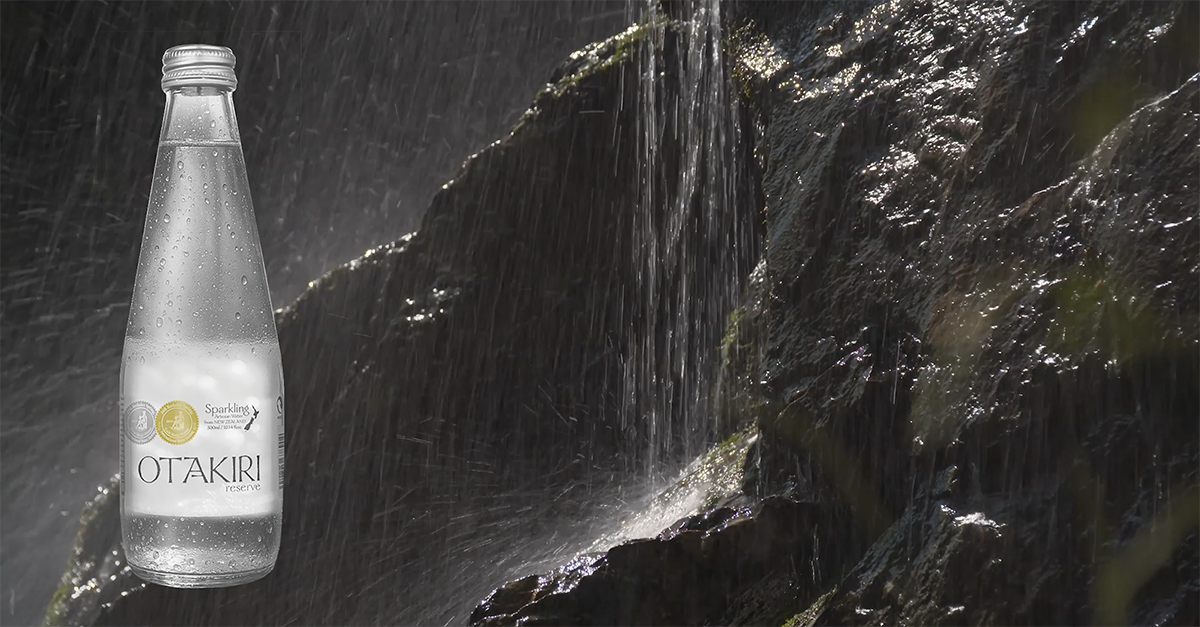
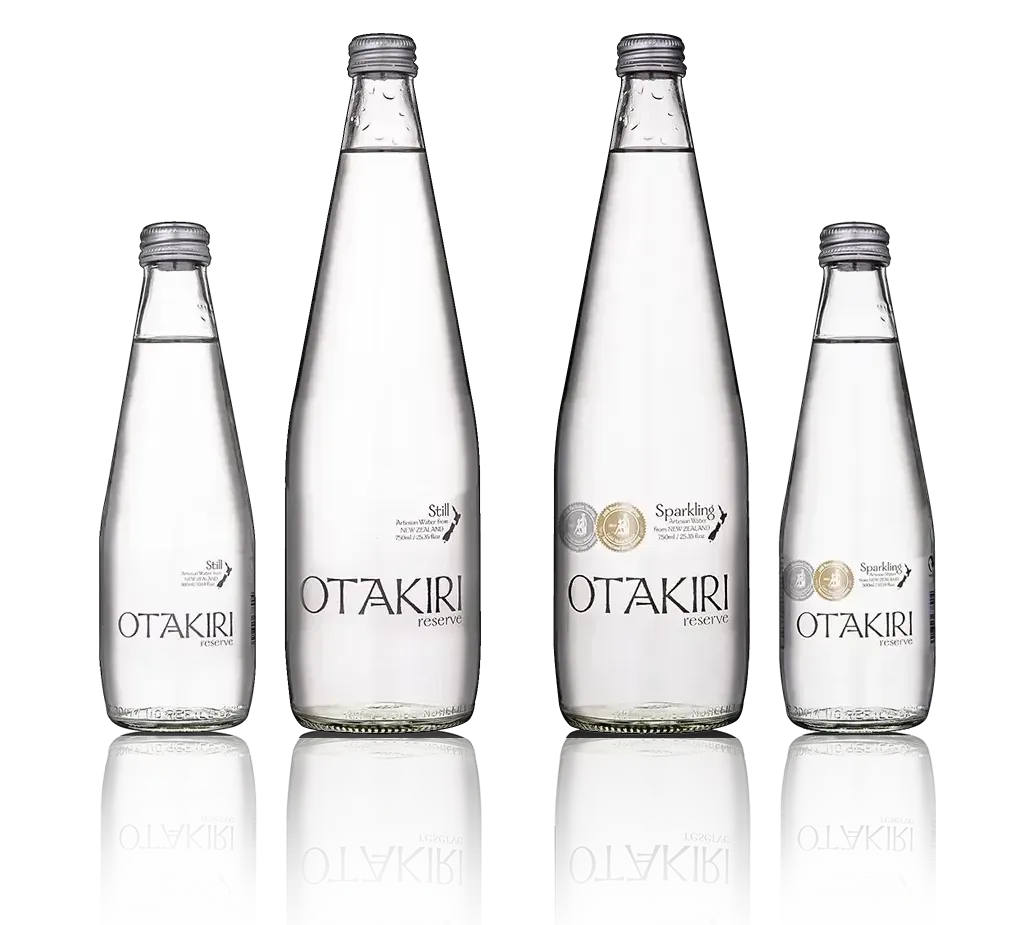
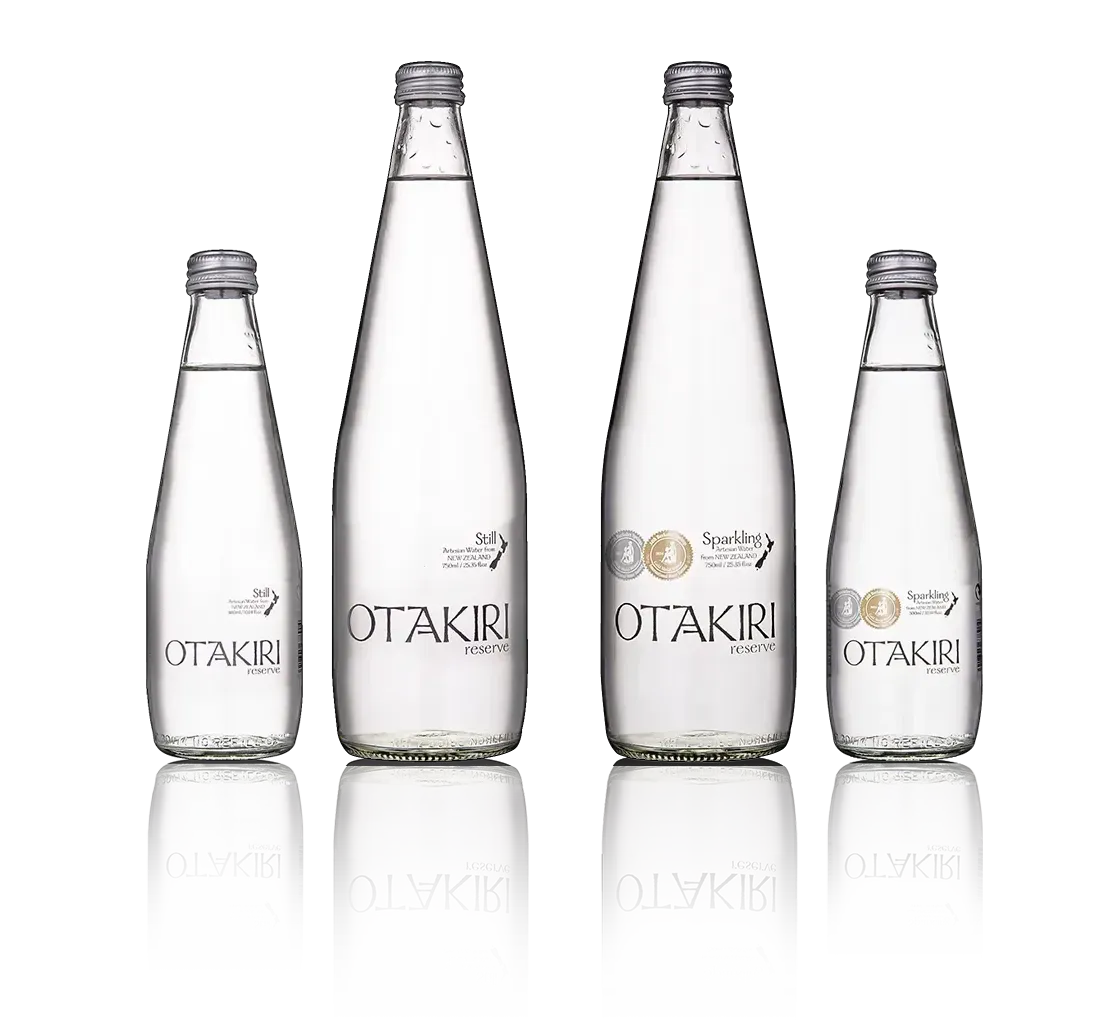
The embodiment of nature's perfection
How minerals affect water taste:
Why water pairing with food matters more than you think
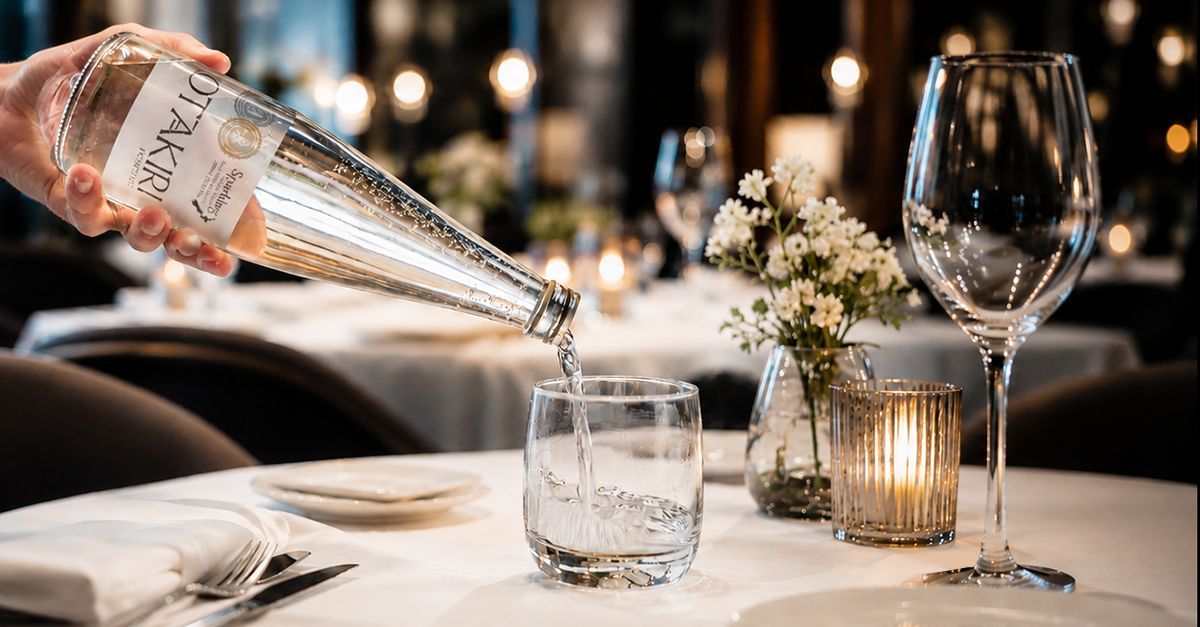
What we perceive as water taste is primarily driven by dissolved minerals, shaping flavour perception, mouthfeel and food pairing outcomes.
Water pairing with food is the practice of selecting water based on mineral composition to complement rather than compete with a dish, enhancing sensory balance, palate clarity and the overall dining experience.
Key takeaways: How minerals affect water taste
The following key points summarise how mineral water composition influences taste, mouthfeel and food pairing.
- Water is not flavourless; its mineral composition influences taste, texture and mouthfeel.
- Bicarbonate, Calcium, Magnesium, pH, Reactive Silica, Total Hardness and Total Dissolved Solids are among the elements that contribute to how water is perceived.
- Higher mineral content enhance, mute or alter how food flavours are experienced.
- Softer, more balanced waters are often preferred for food pairing and palate clarity.
- Premium venues increasingly treat water as part of the overall dining experience.
Great chefs consider every detail on the plate, from the balance of flavour to the texture and finish. But there is one element that is almost always overlooked, even in great venues: the water it is served with.
Water is not non-descript in taste or experience. It has structure, weight and minerality, all of which can either elevate a dish or quietly compete with it. A high-mineral water can leave a heavier finish, muting delicate flavours. Others can taste sharp, or slightly bitter, depending on the water’s mineral composition.
The best dining experiences do not just think about food and wine pairing, they think about water pairing with food too. For chefs and venues focused on quality it is important to serve a water that complements, not competes. Clean, soft on the palate, and balanced enough to let the food do the talking.
The role of water in taste
In dining, every element on the table contributes to the overall experience, from the balance of flavour on the plate to the water poured beside it. While often considered non-descript, the reality is that every water has its own character shaped by mineral composition, balance and mouthfeel.
Water taste is influenced by dissolved minerals, which affect its perceived weight, structure and interaction with food. Even small variations in mineral composition can change how sweetness, acidity and texture are perceived alongside a dish.
Some waters can feel heavier on the palate, lingering after each sip, or introduce subtle notes that compete with delicate flavours. Others may carry a sharper finish that changes how acidity, sweetness or texture is perceived. When water pairing with food is carefully considered, these small differences become surprisingly noticeable.
That is why many chefs and venues seek a neutral tasting water. One that refreshes the palate without distracting from the dish. A softer, cleaner water allows flavours to remain true.
What “mouthfeel” actually means
Taste is only part of how we experience water. Equally important is water mouthfeel.
Mouthfeel refers to the physical sensation water creates on the palate, influenced by its mineral content, texture and perceived weight. It determines whether water feels soft, crisp or full-bodied when consumed.
Water mouthfeel is influenced largely by the natural minerals dissolved in the water. While often unseen, these elements shape texture, weight and finish in subtle, but meaningful, ways. Even at low levels, the mineral composition can change how water feels as it moves across the palate and how cleanly it finishes after each sip.
The relationship between minerals and mouthfeel is why no two waters feel exactly the same. Some feel light and lively, others rich and weighty, while the most balanced seem almost effortless to drink. It is this tactile quality, as much as flavour itself, that shapes the mouthfeel.
How mineral water composition can affect food taste
Mineral water composition influences not only how water tastes on its own, but how it performs alongside food. For chefs, venues and those who value thoughtful dining, understanding this balance is central to successful pairing decisions.
Which minerals matter most in water?
Mineral water composition refers to the balance of naturally occurring minerals, such as Bicarbonate, Calcium, Magnesium and Reactive Silica along with pH, Total Hardness and Total Dissolved Solids, which influence both taste and food pairing performance.
The key minerals found in water each contribute their own subtle characteristics.
- Bicarbonate plays a key role in water alkalinity and can enhance softness, smoothness and a clean, pleasant finish at balanced levels. It strongly influences freshness and whether water feels neutral or mineral heavy. At higher concentrations, Bicarbonate may taste flat, chalky or harsh, while low levels can result in a more delicate and balanced taste.
- Calcium can add structure, sweetness, roundness and a clean, subtle mineral character at lower levels. It is often associated with fullness and a smoother mouthfeel. At higher concentrations, Calcium may create a heavier finish, with chalky, mineral-rich or slightly bitter notes.
- Magnesium can add crispness and a refined, gentle bitterness, sometimes compared to dark chocolate, bringing structure and complexity at balanced levels. It is often perceived as sharpening the palate compared with calcium’s roundness. At higher concentrations, Magnesium may create biter, dry or slightly astringent notes.
- Potassium can soften the overall taste profile with a hint of natural sweetness, helping balance the palate and round out flavour. It has a mildly salty character but is generally softer and less sharp than sodium. At higher concentrations, Potassium may introduce a slightly bitter or metallic edge.
- Reactive Silica is often associated with a smoother rounder texture and a softer, more silky mouthfeel. It is generally tasteless at normal concentrations, contributing more to texture than flavour.
How pH, Total Dissolved Solids and Total Hardness impact water taste
pH is one of the key chemical properties of water, measuring whether it is acidic, neutral or alkaline. Pure water naturally sits at around pH 7.
The concentration of dissolved minerals in water is measured as Total Dissolved Solids (TDS). Lower TDS waters are typically light, clean and neutral in taste, while higher TDS waters have a more pronounced mineral profile and fuller mouthfeel. TDS influences the overall intensity, whereas individual minerals determine taste and flavour characteristics.
Total Dissolved Solids (TDS) and water taste profile
| Mineral Range | TDS | Impact on water |
|---|---|---|
| Low to medium minerals | 50–250 mg/L | Light, soft, clean taste with subtle mineral structure |
| Medium minerals | 250–500 mg/L | Balanced flavour with noticeable body and mineral presence |
| High Minerals | 500–1,500 mg/L | Strong mineral character; may taste salty, bitter or chalky depending on mineral composition |
Total Hardness measures the concentration of dissolved Calcium and Magnesium in water.
The water profile effect: How minerals work together
The overall character of water is rarely about one mineral alone. It is the balance that matters. Water taste is not determined by single minerals in isolation, but by mineral water composition and TDS. This matters when water is served with food.
A highly mineralised water can compete with delicate dishes, masking subtle flavours in seafood, vegetables or fine sauces. Waters with pronounced bitterness or salinity may alter how sweetness and acidity are perceived. By contrast, a water with an optimal balance of naturally occurring minerals, alongside a neutral pH plus low levels of Total Hardness and Total Dissolved Solids, is often preferred for water pairing with food, as it refreshes the palate without distracting from the ingredients.
Water should respect the plate. For this reason, many hospitality venues choose waters with a clean, neutral profile. The best water selection is not the one that demands attention, but the one that allows the cuisine to remain the focal point. In dining, water should complement the table, never compromise it.
Why premium venues are rethinking water choices
When a menu is crafted with a high level of care, every detail is considered, right down to the water served alongside it. In premium hospitality, water is not treated as an afterthought, but as an essential part of the dining experience. Thoughtful water pairing with food is becoming an increasingly important consideration.
In premium hospitality, water selection refers to the deliberate choice of water based on its mineral composition, provenance and sensory impact on dining. Increasingly, venues are treating water as part of the curated dining experience rather than a neutral accompaniment.
Restaurants known for quality understand that the smallest details shape the overall impression. For many operators, choosing the best water for restaurants means selecting a water that complements the menu rather than competing with it.
There is also growing appreciation for provenance, presentation and integrity. Guests increasingly value products with a clear source, natural purity and a story worth telling. Water chosen with the same care as wine, produce or ingredients signals a commitment to excellence in every detail.
Because in refined dining, the smallest decisions often make the greatest difference. And the right water does not simply sit beside the plate; it completes the experience.
Want to understand what creates a softer taste? Explore our guide to mineral composition.
Frequently asked questions
What is water pairing with food?
Water pairing with food is the selection of water based on its mineral composition and mouthfeel to complement dishes.
Does water really affect taste?
Yes. Mineral content directly influences taste perception by altering how sweetness, acidity and bitterness are experienced on the palate.
Why does mineral composition matter in water pairing with food?
Mineral composition matters because it determines how water interacts with food flavours, influencing whether it enhances or competes with a dish.
What is the best water for restaurants?
Generally, waters with a balanced or low mineral profile are preferred to avoid interfering with food flavours.